
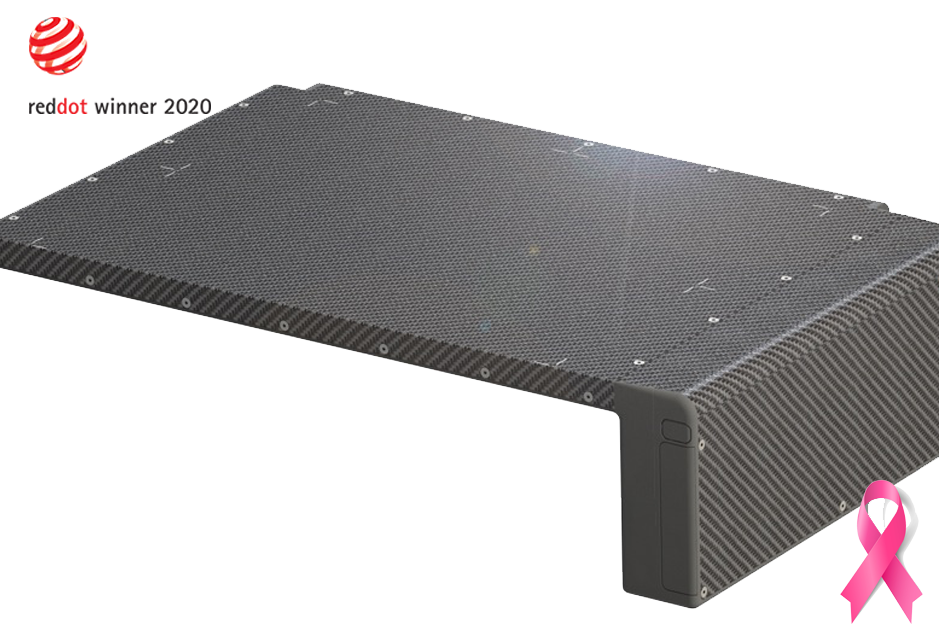
For decades, mammography screening has played a critical role in the fight against breast cancer. A new study published in the Journal of the National Cancer Institute provides further evidence that screening mammography not only improves early detection but can also significantly increase survival rates—even among women diagnosed with advanced-stage disease.
The findings reinforce what decades of research have suggested: early detection through screening programs remains one of the most powerful tools in improving breast cancer outcomes.
A Long Debate Over Screening Effectiveness
The value of breast cancer screening has been widely debated in what some experts once referred to as the “Mammography Wars.” From the 1980s through the 2010s, researchers, policymakers, and clinicians debated the balance between screening benefits and concerns such as overdiagnosis.
Over time, however, evidence consistently demonstrated that the combination of early detection and more effective treatments significantly improves survival outcomes for breast cancer patients.
This consensus was reinforced when the U.S. Preventive Services Task Force (USPSTF) updated its recommendations in 2023, advising that women begin routine breast cancer screening at age 40.
Despit these recommendations, some skepticism around cancer screening persists, making ongoing research essential to demonstrate its real-world benefits.
New Research Highlights Screening’s Impact
The recent study examined the impact of screening invitations through Denmark’s national breast screening program. Researchers analyzed data from approximately 32,800 women diagnosed with breast cancer, including patients who participated in screening and those who did not, despite being invited.
Among the participants, about 8% were diagnosed with stage III or stage IV breast cancer, providing a valuable opportunity to analyze outcomes for women with more advanced disease.
The results revealed striking differences in survival.
Key Findings
For women diagnosed with stage IV breast cancer, survival outcomes were dramatically higher when the disease was detected through screening:
Five-year survival:
75% for women with screen-detected cancer
32% for women who were never screened
Ten-year survival:
62% for women with screen-detected cancer
17% for women who were never screened
Even more notable, women with late-stage cancers detected through screening achieved five-year survival rates comparable to patients diagnosed one stage earlier who had not been screened.
The Role of Treatment
One of the most important insights from the study is how screening influences treatment decisions.
Women whose cancers were detected through screening were significantly more likely to receive surgical treatment, which strongly impacted survival outcomes.
Median survival differed dramatically depending on treatment approach:
Surgical treatment: approximately 6 years
Non-surgical treatment: approximately 2 years
No treatment: approximately 0.1 years
Patients who underwent surgery also experienced significantly better ten-year survival rates, reaching 60% compared to only 8% for those treated without surgery.
These findings suggest that screening does more than shift diagnosis toward earlier stages—it also increases the likelihood that patients receive more effective and potentially life-saving treatments.
Why Screening Still Matters
The results of this research reinforce an important message for clinicians, healthcare systems, and policymakers: screening mammography remains essential in the fight against breast cancer.
Even when cancer is detected at later stages, screening programs can influence treatment pathways that significantly improve survival outcomes.
As breast imaging technology continues to evolve—including advances in digital mammography, tomosynthesis, and artificial intelligence—screening programs may become even more powerful in supporting early detection and optimized patient care.
Advancing the Future of Breast Imaging
At Medical Scientific, we believe that innovation in breast imaging technologies plays a fundamental role in strengthening screening programs worldwide. By combining advanced mammography systems with emerging AI technologies, healthcare providers can improve detection accuracy, optimize workflow, and ultimately help save more lives.
As research continues to confirm the life-saving impact of screening mammography, the global healthcare community has an opportunity to expand access to modern imaging technologies and ensure that more women benefit from early detection.
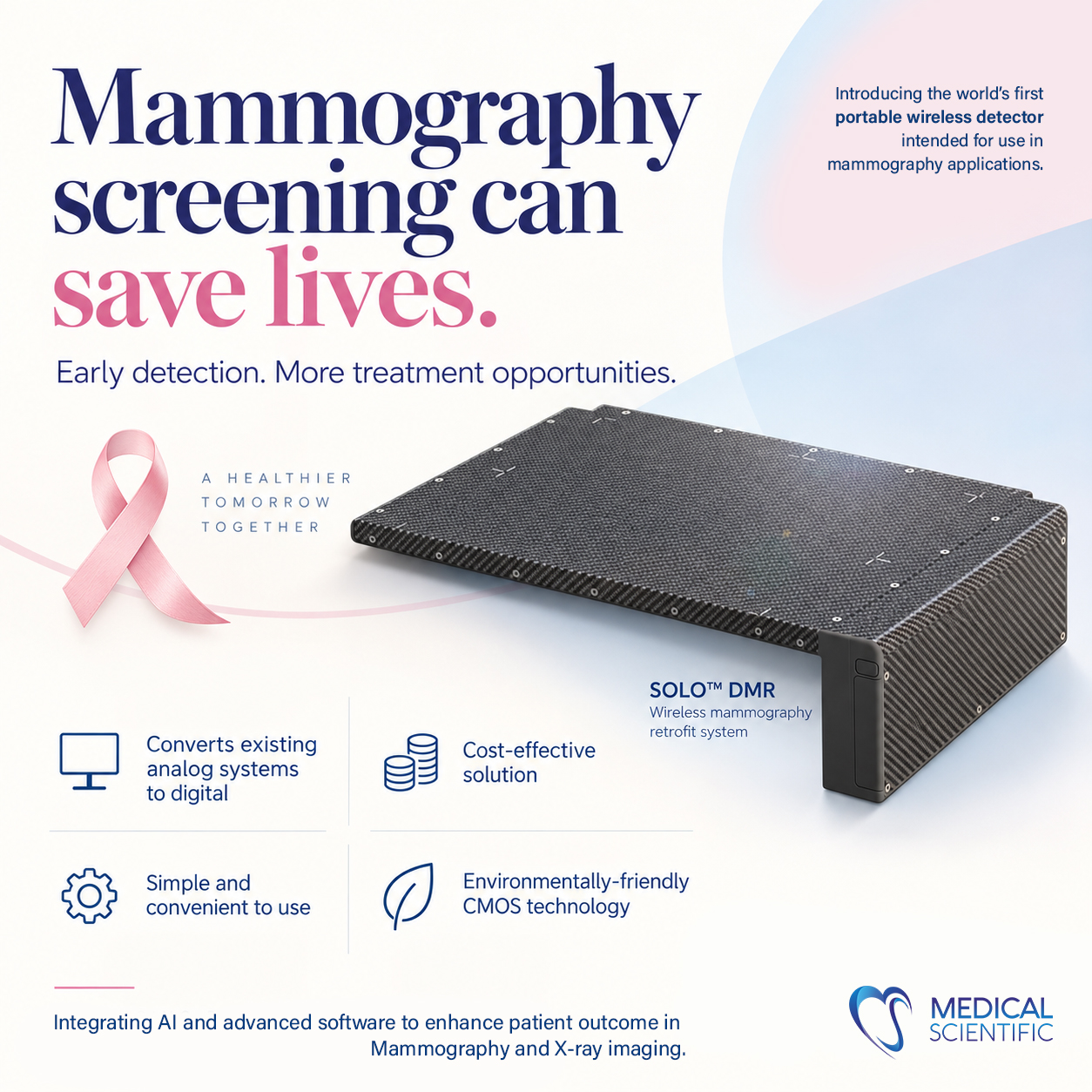
To start, here’s a direct link to our mammography equipment, featuring the SOLO™ DMR
Medical Scientific is “Innovation and Attention to Detail”
Medical Scientific Ltd., we build new mammography equipment.
Medical Scientific Ltd |215 Old Tappan Rd, Suite 1C Old Tappan NJ 07675 US